Match ratings, capacity and handling across the whole setup. A compatible combination matters more than any isolated specification.
Overview
Begin with a short description of the trip: where you fish, the usual water depth, the fish you target and the space available for carrying or mounting equipment. Separate essential requirements from convenient extras. Keep that description beside your shortlist so each product is judged against the same task rather than against an attractive photograph.
Fishing rods
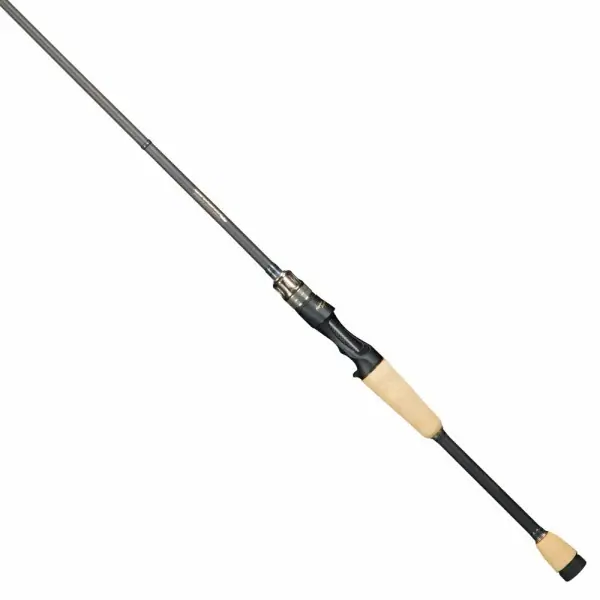
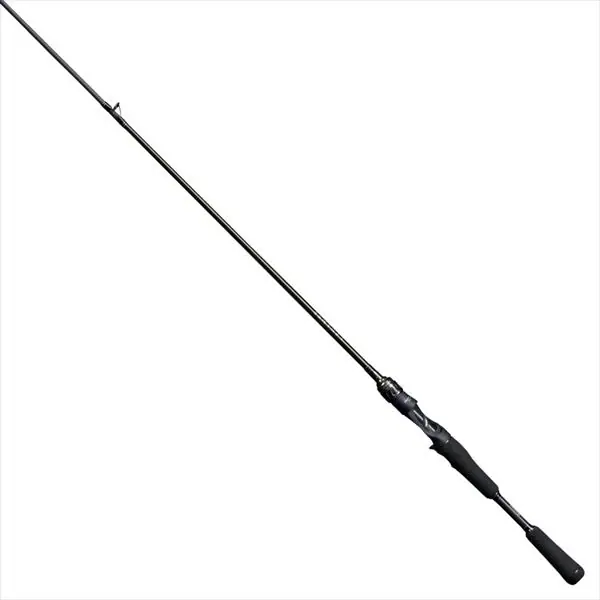
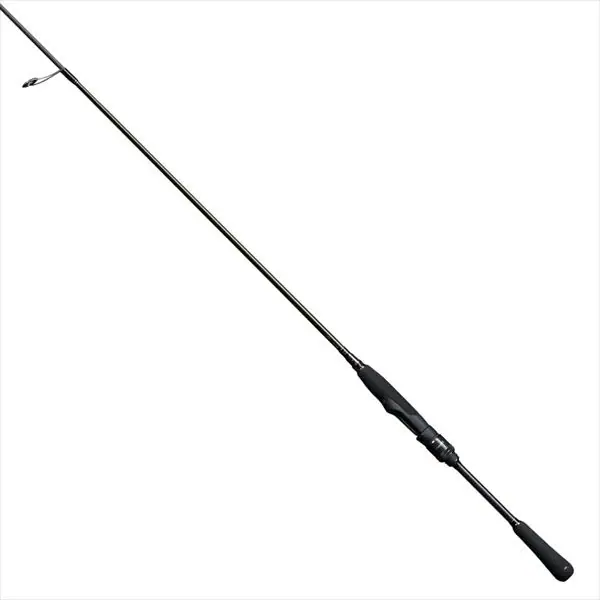
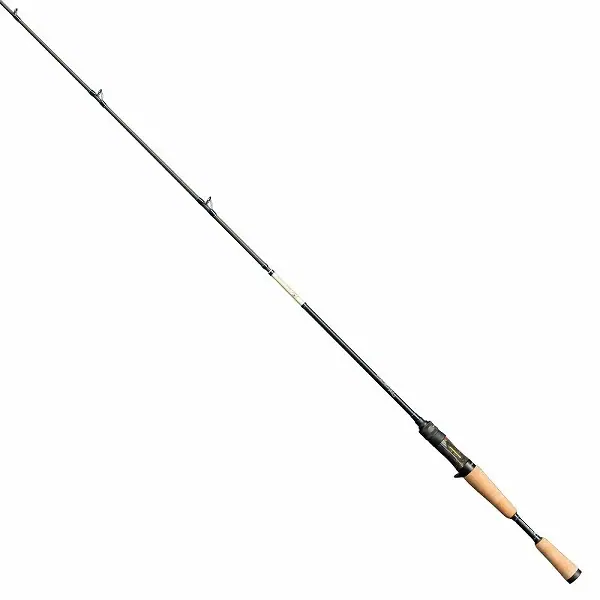
Start with your casting space, target species and typical lure weight. Consider transport length alongside fishing length.
Confirm the exact section count, lure and line ratings, handle style and reel-seat compatibility for the selected variant.
Power labels are not standardized across every brand. A high line rating does not make a rod suitable for lifting fish.
Fishing reels
Choose a reel type that suits your rod and casting method. Spinning and baitcasting setups require different reel seats and handling skills.
Check handedness, spool capacity for your line diameter, weight, handle configuration and any stated saltwater-use guidance.
Gear ratio alone does not give retrieve length. Maximum drag is not a recommended fishing setting or evidence of smooth adjustment.
Fishing lines
Choose braid, monofilament or fluorocarbon according to presentation, abrasion exposure and the knots you can tie consistently.
Confirm diameter and breaking-strength units, actual spool length and suitability for your reel. Verify whether a leader is required.
Nominal strength does not guarantee knot strength or abrasion resistance. Different brands may measure and label diameter differently.
What to check first
Read the information for the exact variant you plan to order. Check dimensions and units, and treat an absent specification as an open question rather than an implied feature. Published descriptions can guide a shortlist but do not replace a physical test. A claim about one configuration should not automatically be applied to another size or package.
Compare the complete usable setup. Include power, mounting, cables, storage and replacement consumables where relevant. Ask which parts are supplied and which are optional; a low headline price can describe a different package from the one you need. Send the model reference and unresolved questions together so the response can address a precise configuration.
Practical considerations
On the water, record the conditions and change one variable at a time. Check the setup close to you before relying on it farther away. Notes about placement, settings, presentation and maintenance are more useful than a single successful or unsuccessful outing. Stop using damaged equipment and follow the instructions for the exact model.
Product information source: Shimano; Shimano
Comments 0
No comments yet. Add a useful observation or question.