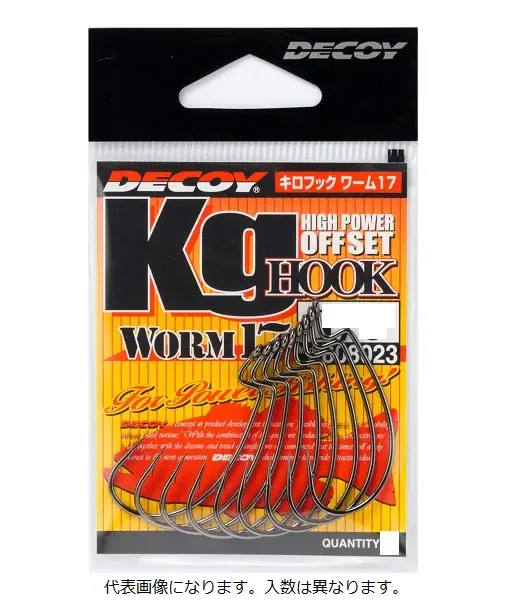
Inspect the small components that connect the whole setup. Match dimensions, materials and knots instead of relying on label numbers.
Overview
Begin with a short description of the trip: where you fish, the usual water depth, the fish you target and the space available for carrying or mounting equipment. Separate essential requirements from convenient extras. Keep that description beside your shortlist so each product is judged against the same task rather than against an attractive photograph.
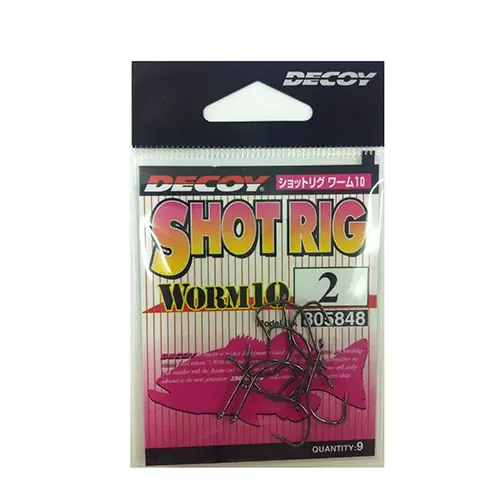
Hooks & rigs
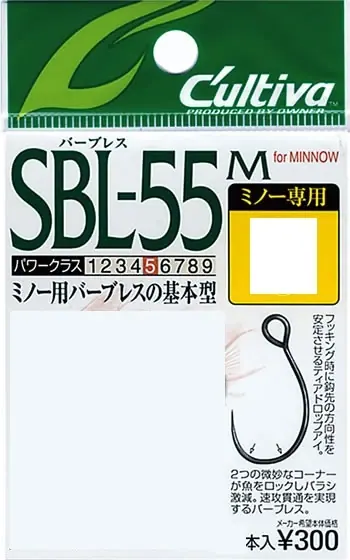
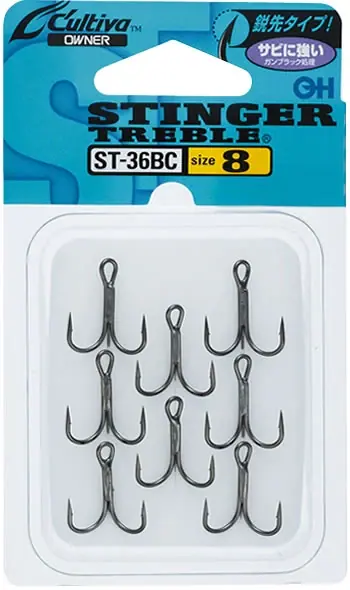
Judge Hooks & rigs by dimensions, wire profile, connection method and intended rig role rather than its size number alone.
Match the hook and rig to bait size, target fish and the conditions of the fishing venue.
Confirm hook size, barb style, material, pack quantity and compatible line or fittings. Check local venue rules before use.
Hook numbering varies across patterns and manufacturers. Coating claims do not establish unlimited corrosion resistance or safe rig release.
Check points and connections before fishing, replace bent or corroded parts and store sharp components securely.
Fishing tools
Compare Fishing tools by the task it performs, working dimensions and grip rather than a generic multipurpose claim.
Choose tools that fit your hooks, split rings and line materials, with enough reach for controlled handling.
Confirm jaw shape, cutter compatibility, locking mechanism, included sheath and availability of replacement parts.
A tool described as stainless can still need care. Do not assume a cutter works equally well on braid, wire and monofilament.
Remove salt and grit as instructed, dry moving parts and inspect cutters or locking joints before each trip.
Fishing lines
Confirm diameter and breaking-strength units, actual spool length and suitability for your reel. Verify whether a leader is required.
Nominal strength does not guarantee knot strength or abrasion resistance. Different brands may measure and label diameter differently.
Inspect the working section for fraying or nicks, replace damaged lengths and store away from heat and sunlight.
What to check first
Read the information for the exact variant you plan to order. Check dimensions and units, and treat an absent specification as an open question rather than an implied feature. Published descriptions can guide a shortlist but do not replace a physical test. A claim about one configuration should not automatically be applied to another size or package.
Practical considerations
On the water, record the conditions and change one variable at a time. Check the setup close to you before relying on it farther away. Notes about placement, settings, presentation and maintenance are more useful than a single successful or unsuccessful outing. Stop using damaged equipment and follow the instructions for the exact model.
Comments 0
No comments yet. Add a useful observation or question.