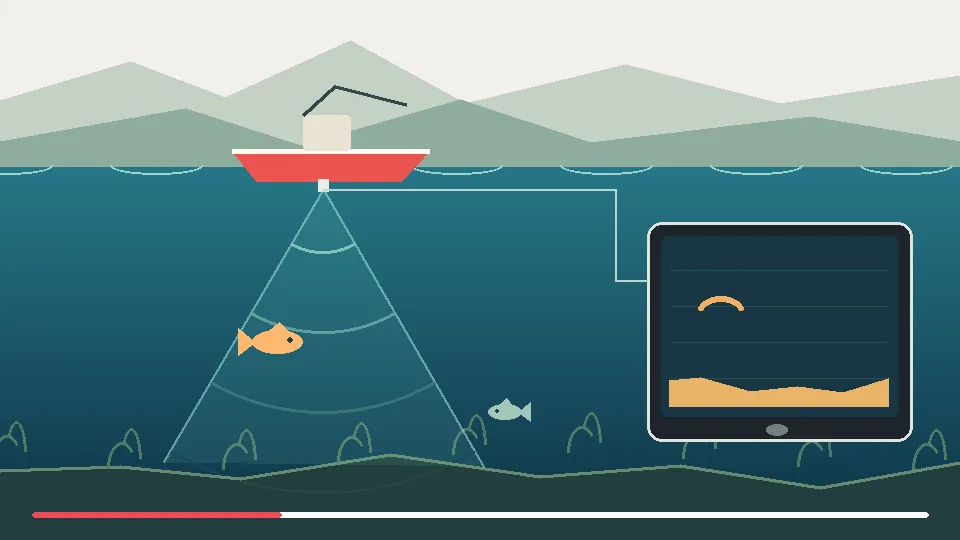
A useful sonar system begins with the right transducer, mounting and power plan. Read the complete setup before comparing displays.
Overview
Begin with a short description of the trip: where you fish, the usual water depth, the fish you target and the space available for carrying or mounting equipment. Separate essential requirements from convenient extras. Keep that description beside your shortlist so each product is judged against the same task rather than against an attractive photograph.
Suitable uses
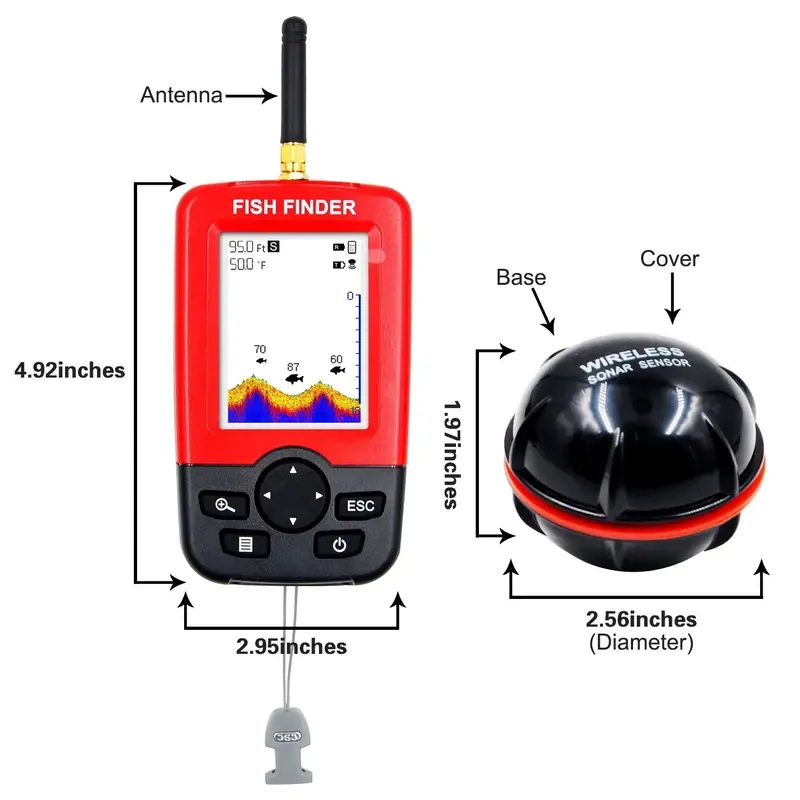
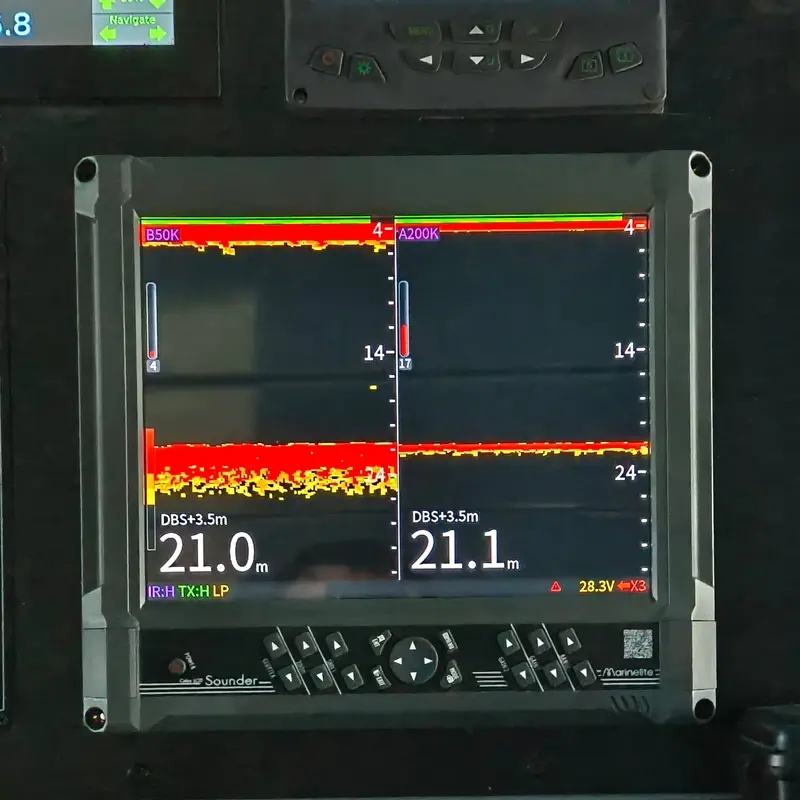
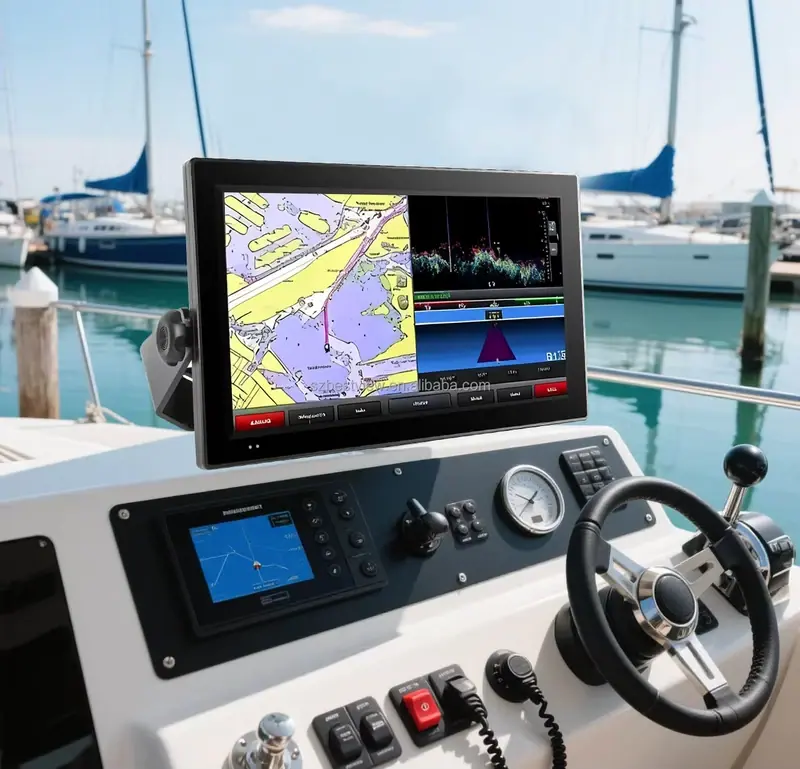
Assess Fish finders as a complete sonar setup: display, transducer, power supply and mounting. A screen specification alone does not explain what information the system can provide on your water.
For locating depth changes and underwater structure, start with the type of sonar view you need. A portable bank setup and a permanently fitted boat installation have different mounting and power requirements.
What to check first
Confirm the transducer model, supported sonar modes, connectors, operating depth range and included battery or charger. Ask whether maps, wireless features or recording require separate hardware, subscriptions or a phone.
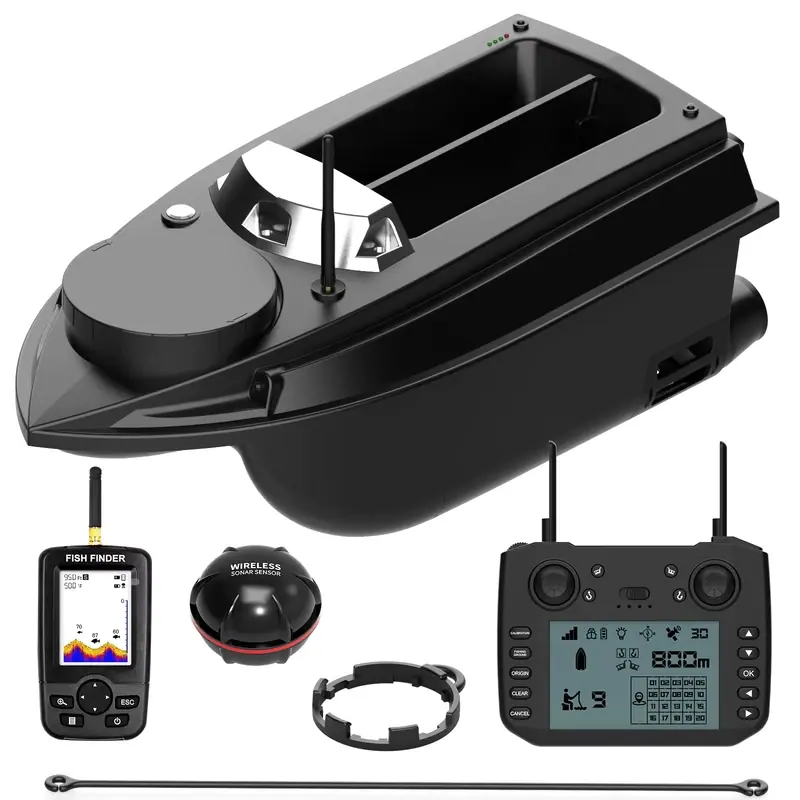
Compare the complete usable setup. Include power, mounting, cables, storage and replacement consumables where relevant. Ask which parts are supplied and which are optional; a low headline price can describe a different package from the one you need. Send the model reference and unresolved questions together so the response can address a precise configuration.
Limits to consider
An echo indicates a reflecting target, not a confirmed species or guaranteed catch. Display clarity depends on installation, conditions and settings; advertised maximum depth is not a promise for every water body.
Read the information for the exact variant you plan to order. Check dimensions and units, and treat an absent specification as an open question rather than an implied feature. Published descriptions can guide a shortlist but do not replace a physical test. A claim about one configuration should not automatically be applied to another size or package.
Care and maintenance
Follow the manual for transducer placement and electrical protection. Check cables for damage, keep connectors dry before joining them and inspect mounts after transport. Use only the specified charging arrangements.
On the water, record the conditions and change one variable at a time. Check the setup close to you before relying on it farther away. Notes about placement, settings, presentation and maintenance are more useful than a single successful or unsuccessful outing. Stop using damaged equipment and follow the instructions for the exact model.
Product information source: Lowrance; Garmin
Comments 0
No comments yet. Add a useful observation or question.